FAQ 2026-09-18
International Shipping: B2B Sourcing Guide
International shipping support is built into every LIUHAO GLOBAL order: freight booking by sea, air, or courier, export documents, consolidation, and tracking to your door. This guide explains the modes, Incoterms, costs, and paperwork B2B buyers need to plan a shipment from China. More answers in the FAQ section.
Shipping options depend on the product, order size, destination country and delivery requirements. LIUHAO GLOBAL can help arrange international logistics — express, air freight or sea freight — based on your order.

What International Shipping Support Includes
Yes — LIUHAO GLOBAL provides international shipping support for every order we source. In practice this means: booking freight by sea, air, or courier; preparing export documents; coordinating pickup from the factory; tracking the shipment; and handing you a document set ready for destination clearance. Buyers can ship under their own freight accounts or under our quoted rates. The goal is simple: the order leaves the factory and arrives at your door without you chasing four different parties.
Shipping Modes: Sea, Air, and Courier
Sea freight suits most B2B volumes — full containers for large programs, LCL (less than container load) for smaller ones. Air freight covers urgent replenishment at a higher cost per kilogram. Courier services handle samples, documents, and very small trial orders door to door. The right mode depends on volume, urgency, and product value density: heavy low-value goods almost always go by sea, while light high-value goods can justify air. We quote the realistic options side by side rather than defaulting to one.
Incoterms Explained for B2B Buyers
Incoterms define who pays for what and where risk transfers. The three you will see most: FOB — the seller delivers onto the vessel at a Chinese port and you control the main carriage; CIF — the seller pays carriage to your named port, with insurance at minimum cover; DDP — the seller handles the whole journey including destination duties. Each shifts cost and risk differently, so compare quotes only on the same Incoterm. We confirm the Incoterm in writing on every quotation, and buyers new to importing usually start FOB with our freight support.
Consolidation and LCL Shipping
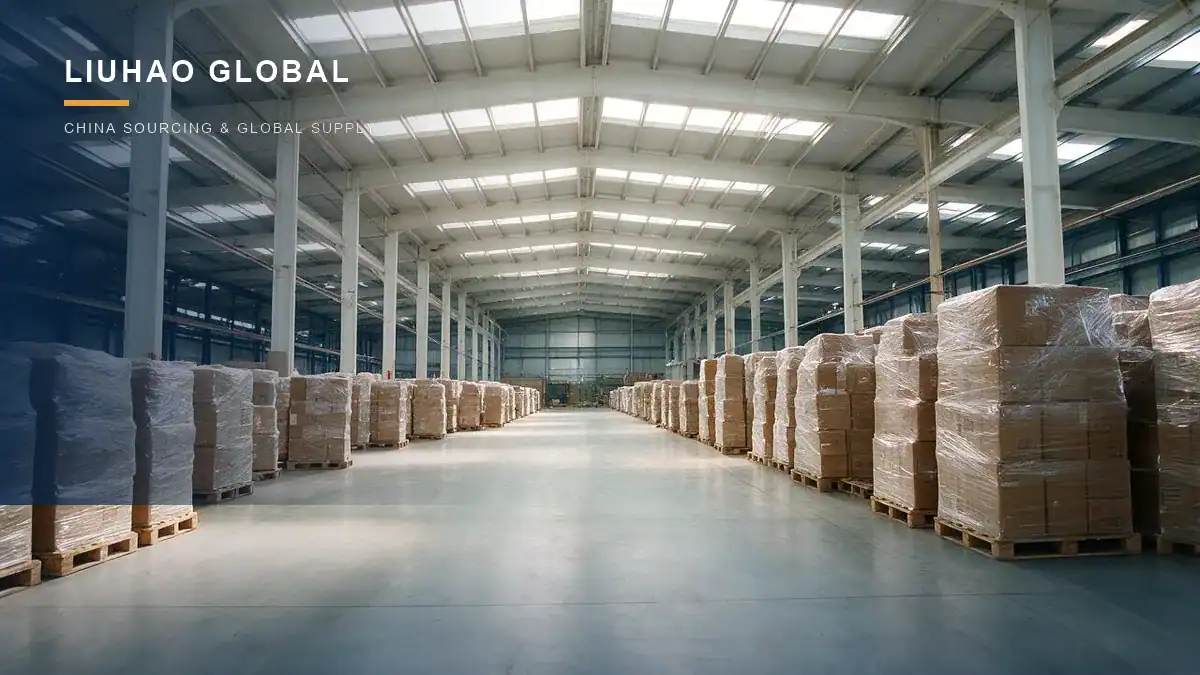
Consolidation is where international shipping support pays for itself. When you buy several product lines from several factories, we receive them at our consolidation point, repack into export cartons sized for container efficiency, and dispatch as one shipment. You save on freight, your goods travel together, and you receive one document set instead of five. For volumes below a full container, consolidated LCL shipping is usually the economical route; above roughly half a container, FCL becomes worth quoting.

Customs Documents We Prepare
The standard export document set includes the commercial invoice, packing list, and bill of lading or airway bill. Depending on product and destination, it may also include certificates of origin, material test reports, or product-specific declarations. We prepare the export side and hand you a set your broker or importer can clear with. Destination-side duties and import formalities remain the buyer’s responsibility under most Incoterms — we flag early which documents your market typically asks for.
International Shipping Costs and Surcharges
Freight quotations include base rate plus surcharges, and the surcharges are where surprises live: fuel adjustment, peak season, port congestion, documentation fees, and destination handling charges. A rate that looks cheap on the base can land expensive once surcharges attach. We quote door-to-door where possible and list the surcharge lines separately, so your landed-cost model uses real numbers. For buyers comparing suppliers, always compare landed cost — unit price plus freight plus duties — never factory price alone.
Lead Times by Destination
Realistic planning numbers: production lead time is quoted per product and sits outside the freight time. Sea freight to nearby Asian ports is measured in days; to further destinations, in weeks. Air freight is measured in days including handling; courier in days door to door. Customs clearance adds time on arrival, longer where documentation is incomplete. We quote each leg separately with the assumptions stated, and we flag the realistic window rather than the best-case one — a launch calendar built on best-case freight is a launch that slips.
Insurance and Cargo Protection
Cargo insurance is inexpensive relative to the value it protects, and it is quoted per shipment on request. Under CIF terms the seller carries only minimum cover, so buyers with meaningful cargo values should arrange all-risk cover for the main carriage. Beyond insurance, physical protection matters: export cartons, inner packaging, and palletisation are specified at order stage, and our inspection photographs document packing condition before dispatch. Most damage claims trace back to packaging decisions made before the goods ever moved.
Tracking and Communication
During the shipping leg you receive milestone updates: goods received at consolidation point, vessel or flight booked, departed, transhipped where applicable, arrived, and released. Documents are shared as PDFs as soon as they are issued, so your broker never waits on paperwork. If a schedule slips — congestion, rollover, customs query — you hear it from us first, with the revised window and the reason. Chasing carriers in a second language and time zone is exactly the work buyers hand to us.

Quality Control Before Dispatch
International shipping makes quality problems expensive: a defect discovered on arrival has already consumed freight, duties, and weeks of calendar time. That is why our standard programme ends with a pre-shipment inspection at the factory — AQL sampling against the approved reference, with a photo report issued before balance payment and dispatch. Goods travel only after the report is accepted. For a broader view of how inspection and logistics fit together in modern supply chains, see this overview on Wikipedia.
Common International Shipping Mistakes
The recurring mistakes: comparing factory prices without freight; assuming DDP means no destination responsibilities at all; building launch dates on best-case transit times; skipping cargo insurance on the grounds that nothing has gone wrong yet; and discovering documentation requirements after production, when the goods are already packed. Each is a planning failure rather than a freight failure, and each is avoided by confirming the shipping plan — mode, Incoterm, documents, insurance — at order stage rather than at dispatch.
Payment Terms and Shipping Documents
The standard rhythm: deposit opens production; balance is paid against shipping documents — the commercial invoice, packing list, and transport document that also drive destination clearance. Documents released before balance payment, or balance paid before documents are verified, both carry risk; the against-documents convention balances it. We prepare the document set to match the actual goods exactly — quantities, weights, carton counts, and marks — because a mismatch between documents and cargo is a classic clearance delay.
How LIUHAO GLOBAL Runs the Shipping Leg
Once goods pass inspection, our team books the freight, coordinates factory pickup, receives and consolidates at our warehouse where the programme needs it, prepares documents, and tracks the shipment to delivery. Buyers who import regularly often hand us a standing instruction per destination; first-time buyers get the full walkthrough on their first order. Send your destination and expected volumes via the contact page and we will outline the shipping options before you commit to the order.
Global Shipping and Import Notes
From South China we ship to worldwide destinations — from neighbouring Asian markets to Europe, the Americas, and the Middle East — with frequent sailings, competitive rates, and customs processes that experienced brokers clear quickly. For buyers in nearby Asian markets, that favours smaller, faster replenishment cycles over large speculative containers. We run consolidated programs on major lanes weekly and can structure your orders so freight cost per unit stays low even at modest order sizes.
International Shipping for First-Time Importers
If this is your first import, the shortest path is FOB with freight support: the factory delivers onto the vessel in China and our team books the onward carriage, prepares documents, and tracks the shipment to your destination. You handle destination clearance with your broker using the document set we provide. First-time buyers usually run one small trial shipment this way to learn the process, then scale volumes once the paperwork and timing are familiar.
Documents Checklist for International Shipping
The core set for most shipments: commercial invoice, packing list, and bill of lading or airway bill. Additions depend on product and destination — certificate of origin, material test reports, or category-specific declarations. Check that every document matches the goods exactly: quantities, weights, carton counts, shipping marks, and consignee details. International shipping documentation errors are the most common cause of clearance delay, and they are also the easiest to prevent.
Freight Rates and Seasonality
Freight rates move with the calendar: Chinese New Year compresses production into January and crowds vessels; pre-holiday restocking in Western markets lifts rates in late autumn; summer is usually the calmest window. Rates also respond to fuel prices and capacity. When timing is flexible, ask us which sailing window offers the best rate for your route — shifting a booking by two weeks sometimes saves more than a long price negotiation on the goods.
Choosing Ports and Routes
Route choice affects both cost and transit time, and the cheapest option is not always the fastest. Direct sailings cost more per container but save days; transhipment routes save money but add handling and schedule risk. For nearby Asian destinations, direct services from South China are frequent and fast. We quote the realistic options with transit times and rollover risk stated, so the choice is based on your deadline rather than on a rate table.
Port Delivery vs Door Delivery
Shipments can be delivered to a destination port, where your broker clears and your carrier picks up, or all the way to your door under arrangements that include destination handling. Port delivery keeps destination costs under your control and suits buyers with an established broker; door delivery suits buyers who want one price and one point of contact. We quote both where the destination allows, with the assumptions listed line by line.
What to Send Us for a Freight Quote
For a freight quotation we need: destination port or address, cargo details (carton count, dimensions, gross weight), ready date, and whether goods are consolidated from several factories. With those, we return the realistic modes with transit windows, surcharge lines, and document fees itemised. Send it via the contact page and we will outline the options before you commit.
Typical Order Timeline
A typical order with international shipping support moves through six stages:
- Requirement brief and quotation — product, quantity, Incoterm, and destination confirmed.
- Sample approval — factory produces and ships samples; you approve in writing.
- Deposit and production slot — the order enters the factory schedule.
- Final inspection — AQL sampling before goods are released to freight.
- Freight booking and documents — mode booked, export set prepared.
- Balance, dispatch, and tracking — shipment departs, milestones shared to delivery.
Cost Factors in a Shipped Quote
These factors move a quotation most:
| Cost factor | What it changes |
|---|---|
| Quantity tier | Unit price drops at volume breakpoints |
| Material grade | Higher grades raise cost and durability |
| Customisation level | Printing, tooling, and structural changes add setup cost |
| Packaging format | Retail-ready packaging costs more than export packing |
| Inspection and testing | AQL inspection and lab tests are quoted separately |
| Freight mode | Sea, air, or courier changes landed cost sharply |
| Incoterms | FOB, CIF, and DDP shift different costs to buyer |
| Exchange rate | Quotes are pegged to a rate and validity date |
Common International Shipping Mistakes
Frequently Asked Questions
Which Incoterm should a first-time buyer use?
FOB with freight support is the common starting point: the factory delivers onto the vessel and we book the onward carriage. It gives you control of the main leg without requiring freight experience.
Can you ship to my country?
We ship worldwide; Asia, Europe, North America, and the Middle East are the busiest corridors. Tell us the destination and we will quote the realistic modes and transit windows.
Who handles customs clearance?
We prepare the export document set; clearance and duties at destination are handled by your broker or importer under most Incoterms. We flag early which documents your market typically requires.
Is cargo insurance included?
Not by default — CIF includes only minimum cover. All-risk insurance for the main carriage is quoted per shipment on request and is inexpensive relative to cargo value.
Can several products share one shipment?
Yes — consolidation is core to our service. Goods from several factories are received, repacked for container efficiency, and dispatched as one shipment with one document set.
Planning international shipping early changes the economics of the whole order: mode, Incoterm, consolidation, and documentation decided at order stage routinely save more than a price negotiation on the unit. Treat international shipping as part of product cost, not as an afterthought.
Plan international shipping as part of product cost from the first quotation onward: mode, Incoterm, and consolidation decided early routinely save more than a late price negotiation. Good international shipping is a planning discipline, not a booking task.
International shipping decisions ripple through the whole order: the mode you choose sets the packaging spec, the Incoterm sets who insures the cargo, and the route sets when your money turns. Treat international shipping as a design decision for the order, not a booking made after the goods are ready.
When we quote international shipping, we quote the whole journey: pickup, origin handling, main carriage, destination handling where included, and the document set. Line by line, so the international shipping cost in your landed model matches the invoice that arrives. That is what international shipping support means in practice.
Buyers often ask when to arrange international shipping. The answer: at quotation stage. The freight quote informs the landed cost, the landed cost informs the retail price, and the retail price informs whether the order makes sense at all. International shipping arranged this way never surprises anyone.
International shipping from China runs on one of the most developed freight corridors in the world: daily sailings, competitive air capacity, and courier networks that reach most addresses within days. What separates a smooth program from a difficult one is rarely the carriage itself — it is the coordination around international shipping: documents, marks, timing, and communication.
For mixed programs, international shipping consolidation turns complexity into simplicity: one pickup schedule, one document set, one tracking thread, one arrival. The alternative — several factories shipping separately — costs more in freight and far more in management time. International shipping works best when it is treated as one program, not several parcels.
Insurance, Incoterms, and mode are the three levers of international shipping economics. Insurance prices risk; Incoterms allocate it; mode trades time against cost. Set all three deliberately at order stage and international shipping becomes a fixed, plannable cost line rather than a variable that ambushes the margin.
Every quotation we issue lists the specification, quantity tiers, unit price, lead time, and packaging format on one page, so nothing depends on memory or verbal agreement. Changes requested after production starts are documented and re-quoted, which keeps the commercial record clean on both sides.
Our team works across dozens of product categories and factory relationships at any given time. That breadth matters when a buyer needs alternatives quickly: if one factory cannot meet a requirement, we usually know two others that can, and we compare them on like-for-like specifications rather than on headline prices.
Our international shipping support covers the corridor end to end: factory pickup, export clearance at origin, main carriage, and handover to your broker or door delivery. Each stage of international shipping is tracked and reported, so the status of your shipment is a message, not a mystery.
Related Guides and Next Steps
Related guides: where LIUHAO GLOBAL is based and the countries we serve. Browse the FAQ category for the full knowledge base, or request a quote via the contact page.